Textile know-how · Kitchen
Kitchen Textiles: How Cotton Weaves Shape Everyday Performance
A kitchen towel may seem like a humble helper, but its weave, hems, and hanging details can make a surprising difference to how it works—and how long it lasts. Here’s what to look for in a cotton kitchen textile, using the Clarendon Organic Kitchen Towels Set of 4 as a practical example.
Published October 11, 2026
There are few things in a busy kitchen that get picked up as often as a towel. One minute it is drying freshly washed hands; the next, it is wiping a splash from the counter, steadying a warm dish, or hanging close at hand while dinner comes together. That everyday versatility is precisely why the details matter. A useful kitchen textile needs to absorb moisture, dry between tasks, feel comfortable in the hand, and hold up to frequent laundering.
Cotton is a familiar choice for this work, but “cotton towel” tells only part of the story. The way the yarns are arranged, the finish applied to the fabric, and the edges secured all influence a towel’s feel and performance. Even a small feature such as a center hanging loop can help determine whether it stays conveniently within reach—or ends up draped over a chair.
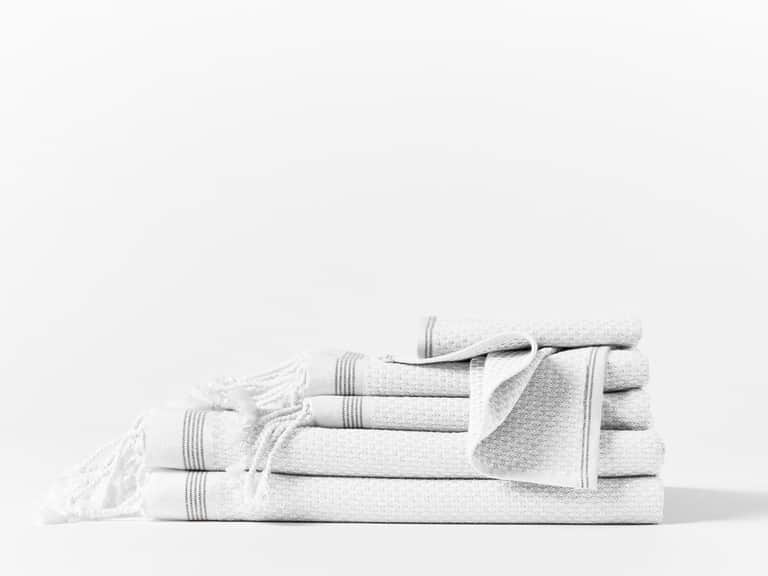
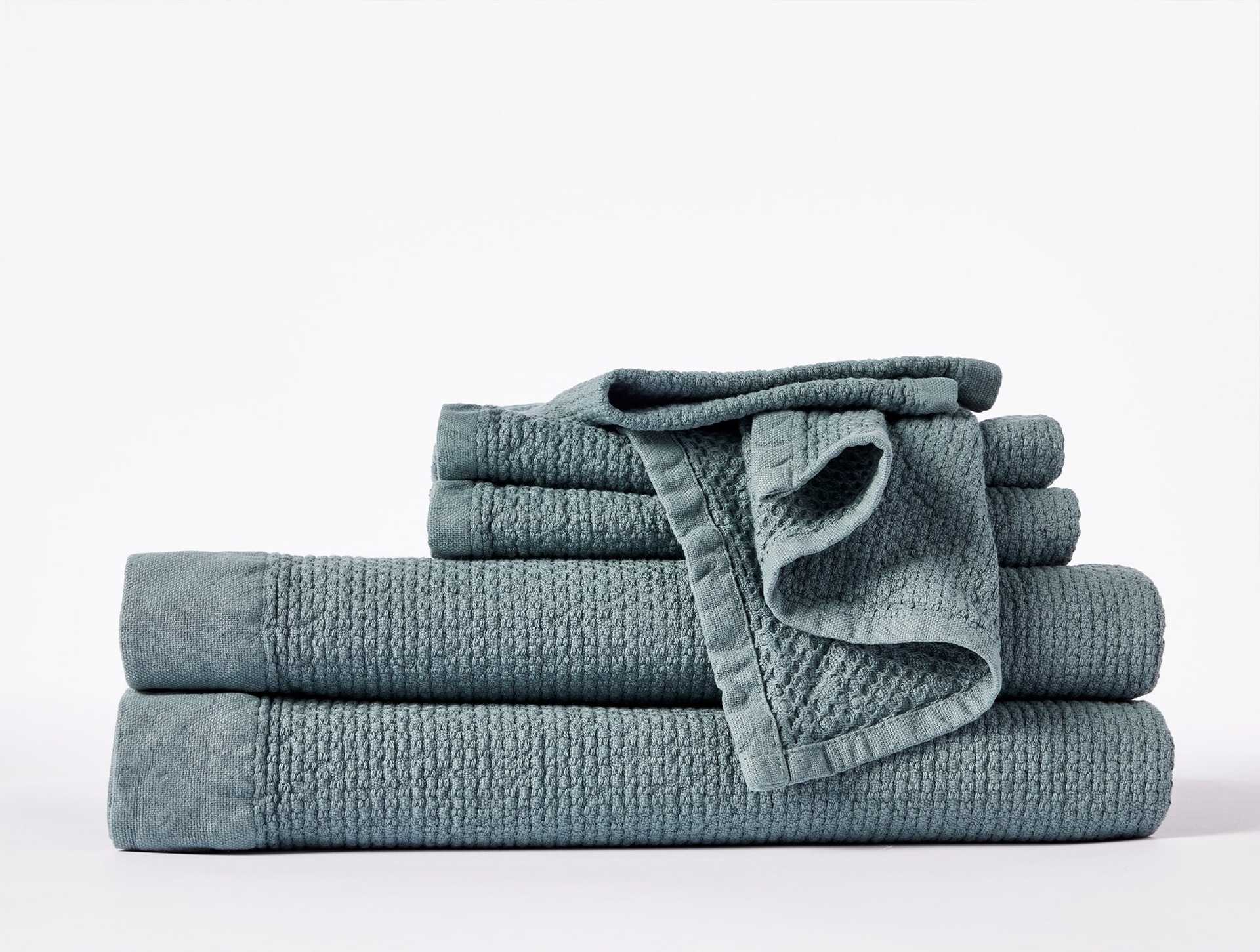
The Clarendon Organic Kitchen Towels Set of 4 offers a useful case study. Made from 100% organic cotton and woven with tonal yarn-dyed threads, the set includes two dobby-striped towels and two windowpane plaid towels. Each measures 20 by 30 inches and has half-inch hems, mitered corners, and a center locker loop. Those construction choices are more than finishing touches: they offer a practical starting point for understanding kitchen textile design.
What a kitchen towel is asked to do
Kitchen towels move between tasks and environments throughout the day. They may meet clean water, crumbs, warm cookware, damp hands, and the occasional coffee spill. A towel that is excellent at one job may not be the best fit for another. A thick, looped cloth, for instance, can feel plush and absorbent, while a flatter woven towel may be easier to spread out and quick to dry.
It helps to think of performance as a small collection of qualities rather than a single promise. Absorbency matters, but so does how readily a damp towel releases moisture into the air. Durability depends not just on fiber, but on construction and care. Texture can offer useful grip or a pleasing hand, while size influences whether the towel is suited to drying glassware, hands, or larger dishes.
In practice, many kitchens benefit from having more than one type of towel available. A clean, dry cloth for handling hot cookware should not be confused with a towel used for wiping a counter or cleaning up a spill. Keeping tasks distinct helps maintain good kitchen hygiene and may also reduce unnecessary stains and wear on textiles.
- Drying: Absorbency and the towel’s available surface area make a difference.
- Hand-drying: A comfortable texture and a convenient place to hang the towel encourage it to dry between uses.
- Glassware and dishes: A relatively smooth surface can be useful when avoiding lint or bulky texture.
- Clean-up: Keep cloths used for spills separate from those reserved for clean dishes or hands.
- Handling hot items: Use a dry, purpose-appropriate mitt or cloth; a damp towel can transfer heat more readily.
Cotton fiber: a dependable foundation
Cotton is widely used in household textiles because it is soft, absorbent, and familiar to care for. Its natural fibers can take up water, making cotton a practical choice for towels that are frequently used around a sink. It is also available in many constructions, from looped terry to flat woven cloths, so the word “cotton” does not determine a towel’s exact character.
Fiber length and yarn quality can affect how a textile feels and wears, but they are not the only measures worth considering. The weave, finishing, stitching, and laundering routine all contribute to the experience over time. A well-made towel can still lose its usefulness if it is left damp in a heap or washed with products that build up on the fibers.
Organic cotton describes how the cotton is grown and processed under a certification standard; it does not, by itself, tell you whether a towel is plush, thin, fast-drying, or especially absorbent. Those qualities depend on the finished textile. In the Clarendon set, the stated material is 100% organic cotton, while the product information also notes GOTS certification and production in a Fair Trade Certified factory. These details address sourcing and production standards; the towel’s weave and construction remain important when judging how it may suit a particular kitchen routine.
Weave changes the feel—and the job
A fabric’s weave is the pattern made as lengthwise and crosswise yarns interlace. In simple terms, weave helps determine the cloth’s texture, flexibility, and surface. Kitchen towels commonly include terry, flat weaves, and patterned weaves such as dobby or plaid constructions. Each can bring different practical qualities.
Terry: loops that hold moisture
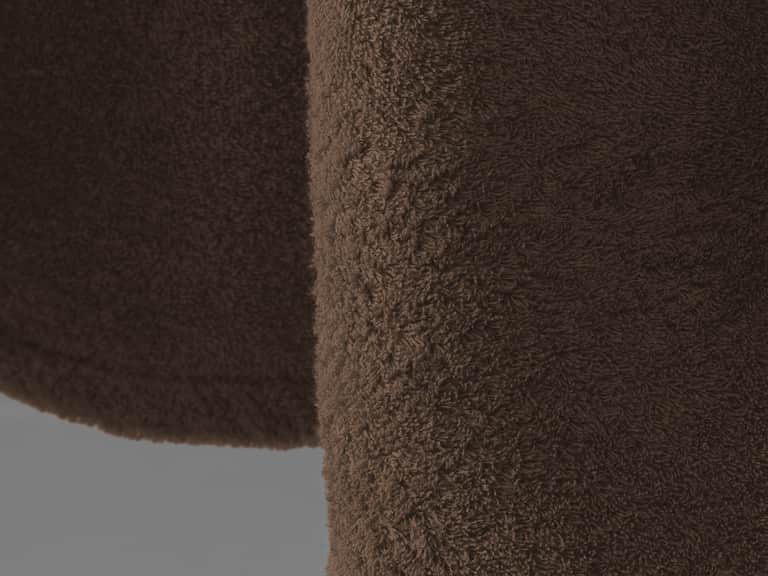
Terry cloth has loops that increase the surface area available to take up moisture. That looped pile often gives a towel a soft, substantial feel, making terry a familiar choice for drying hands or absorbing water. The trade-off is that thicker or denser terry may take longer to dry than a lighter, flatter cloth, depending on room conditions and how it is hung.
Flat weave: a smooth, flexible surface
Flat-woven towels have a more even surface without the raised loops associated with terry. They can be easier to fold and store, and they often spread out neatly over a rail. How absorbent or quick-drying a particular flat weave feels depends on its yarns and density, so a label or a fabric’s construction details are more informative than the term alone.
Dobby texture and plaid pattern
Dobby refers to a woven pattern made through a particular loom mechanism; the result may include small geometric or textured details. A plaid pattern, by contrast, describes a visual arrangement of intersecting stripes. A towel can combine pattern and texture, and its color may be built into the fabric through yarn-dyeing rather than added only as a print on the finished surface.
The Clarendon set includes two dobby-striped towels and two windowpane plaid towels. Its tonal, yarn-dyed threads create pattern through the woven threads themselves. This gives the set visual variety while keeping the appearance coordinated. The product details do not specify a particular absorbency rating or drying time, so those qualities should not be inferred from the pattern alone.
Yarn-dyed color: woven into the design
Textiles can be colored at different stages of production. In a yarn-dyed fabric, the yarns are colored before they are woven, allowing different shades to form a pattern as the threads cross. In a printed textile, color is applied to the surface of the finished fabric. The two approaches create distinct effects, though neither automatically determines how a fabric will perform or how well its color will hold up under every laundering condition.
For a kitchen towel, yarn-dyed threads can give stripes or checks a woven, integrated appearance. The effect can be especially appealing in a room where textiles are left visible on hooks or rails. The practical test is still care: wash according to the instructions, separate colors when needed, and avoid overly harsh treatment that can shorten the life of any textile.
Hems and corners: small seams, everyday consequences
Edges are easy to overlook when a towel is new, but they are among the areas that experience repeated handling. A hem folds and secures the fabric edge, helping limit fraying and giving the towel a tidy finish. Consistent stitching can support the edge through ordinary use and washing, although no seam is immune to rough treatment, snagging, or excessive wear.
The Clarendon towels feature half-inch hems. The measurement describes the folded edge, not the towel’s absorbency, but it is a useful construction detail when assessing how the textile is finished. A clean, secure hem helps the towel maintain its shape and appearance over repeated wash cycles. If a thread begins to loosen, address it early rather than pulling it, which can cause the seam to unravel further.
Mitered corners are formed by joining the folded edges at an angle, creating a neat corner rather than a bulky overlap. This finish gives a towel a crisp outline and can help corners lie flat when the textile is folded or hung. In the Clarendon set, mitered corners complement the half-inch hems and provide a considered finish suited to frequent use.
The humble hanging loop earns its place
A towel that cannot dry properly between uses can develop stale odors and may need laundering sooner. Hanging it open, rather than leaving it bunched, gives more of its surface access to air. A rail or hook placed near the area where the towel is used makes that simple habit easier to maintain.
The center locker loop on the Clarendon towels is designed for hanging. Positioned at the center, it offers a direct way to place the towel on a hook without folding it over a bar. That convenience can help keep the towel accessible and reduce the temptation to leave it on a counter. It is a modest detail, but good textile design often comes down to small features that support better everyday habits.
For drying, try to hang the towel fully open and allow space around it. Avoid placing a damp cloth over a hot appliance or near an open flame, and do not use a hanging loop to support a towel carrying heavy objects. The loop is a practical attachment, not a handle for pulling or lifting.
Choosing a useful size and set
At 20 by 30 inches, the Clarendon towels provide a versatile household size. They have enough area for many everyday tasks while remaining manageable to fold, hang, and store. A smaller cloth may be convenient for quick hand-drying, while a larger towel can offer more coverage for drying cookware or handling broader surfaces.
A set of four can make rotation easier. Rather than relying on a single towel until it is worn or damp, a household can keep one in use, another drying or in the laundry, and clean replacements ready. The two dobby-striped and two windowpane plaid designs also make it possible to distinguish towels by task or simply bring a little pattern to the kitchen.
When assigning towels to different jobs, make the distinction clear and consistent. For example, one design might be reserved for hands and another for clean dishes. A separate washable cloth is preferable for spills and cleaning tasks. The aim is not an elaborate system; it is a straightforward one that makes cross-use less likely.
A care routine that respects the fabric
Frequent laundering is part of kitchen textile life. Food residue, moisture, and repeated handling mean towels need a dependable cleaning routine. The first rule is to follow the care label or product instructions. For the Clarendon set, the listed guidance is machine washing, with cold washing on a gentle cycle with like colors and tumble drying on low; warm ironing is optional.
Care instructions are practical recommendations for balancing cleanliness with fabric longevity. A gentle cycle can reduce unnecessary mechanical stress, while washing like colors together helps limit the risk of dye transfer. Low tumble-dry heat is a measured approach to drying. Remove towels promptly when the cycle is complete, shake them out, and hang or fold them once dry.
- Rotate regularly: Replace a towel when it becomes damp, visibly soiled, or develops an odor.
- Sort thoughtfully: Follow the care label and separate colors when appropriate.
- Use detergent as directed: Excess detergent can leave residue that affects the feel of fabric.
- Skip unnecessary additives: Fabric softener can reduce water absorption on some towels, so use it only if the care guidance supports it.
- Dry completely: Do not store a towel while it is still damp.
- Protect the weave: Keep towels away from sharp edges, rough fasteners, and items likely to snag the threads.
If a towel seems less absorbent after repeated washing, consider whether detergent residue, fabric softener, or incomplete rinsing could be contributing. Avoid improvised chemical treatments unless they are appropriate for the textile and permitted by the care instructions. A steady routine is usually kinder to fabric than frequent experiments with strong cleaners.
Durability is a partnership between construction and care
No single specification guarantees that a towel will last indefinitely. Fiber, yarn, weave, seams, washing habits, and the way the towel is used all play a part. A sturdy-looking hem can still be damaged by snagging; a well-woven cloth can still lose its freshness if it stays wet for hours. Durability is the result of both sound construction and routine attention.
When inspecting a new kitchen towel, look for edges that lie evenly, corners that are neatly finished, and a surface without obvious pulls or skipped areas. Check that any loop is securely attached and that the dimensions suit the jobs you have in mind. Then consider whether the care instructions fit your household’s laundry habits. A textile that is easy to wash and dry appropriately is more likely to remain in regular rotation.
Organic certification and responsible manufacturing information can also be part of an informed choice, particularly for shoppers who want to understand how fibers were sourced and textiles produced. Those credentials are worth reading on their own terms, alongside performance details such as weave, size, and finishing. They are not substitutes for practical information about construction or care.
A quick kitchen towel checklist
Before settling on a towel for a particular task, ask a few simple questions:
- Is the weave suited to the work—looped for a plush, absorbent feel, or flatter for a smooth, flexible cloth?
- Is the size comfortable to handle and large enough for the intended use?
- Are the hems and corners neatly finished?
- Does it include a hanging detail that makes open-air drying convenient?
- Are the care instructions realistic for your laundry routine?
- Will you keep towels used for hands and clean dishes separate from those used for spills?
- Do you have enough clean towels to rotate them before they become damp or soiled?
The Clarendon Organic Kitchen Towels Set of 4 illustrates how a thoughtfully considered towel combines several of these points: organic cotton, patterned woven construction, half-inch hems, mitered corners, a center locker loop, and a practical 20-by-30-inch size. Its specifications offer a useful example of what to examine without suggesting that any one feature can replace good care or a suitable task assignment.
The everyday textile, thoughtfully chosen
A kitchen towel rarely gets a grand introduction. It simply needs to be there when a hand is wet or a counter needs attention. Yet the quiet details—cotton fiber, weave, secure hems, finished corners, and a loop that makes hanging easy—shape how naturally the towel fits into a daily routine.
Understanding those details makes choosing and caring for kitchen textiles less of a guessing game. Look beyond the color or pattern to the construction, size, and instructions. Keep towels dry between uses, reserve them for appropriate tasks, and launder them as directed. With that combination of practical design and simple care, a dependable cotton towel can earn its place beside the sink, day after day.